



Ready to Build a Broad Base?
Applications for September 2027 are open. Apply online in 10 minutes.
The broad engineering Level 2 that keeps your options open. This course covers both mechanical and electrical engineering, from engineering techniques and maths to electrical installation and fitting and assembly, all hands-on in the workshops. Perfect if you know you want a career in engineering but haven't settled on one discipline yet.
Got a question? Ask us
How you’ll learn
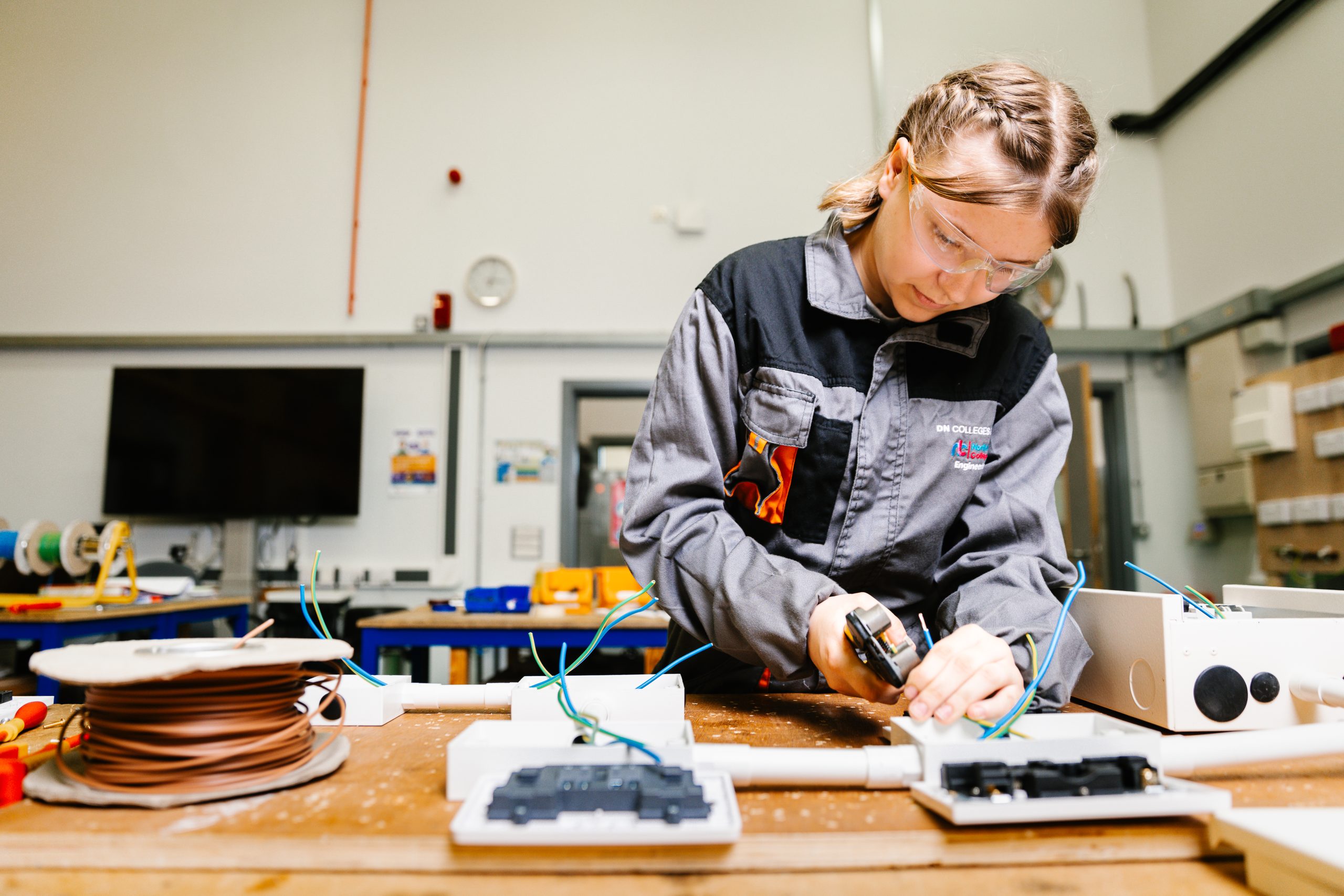
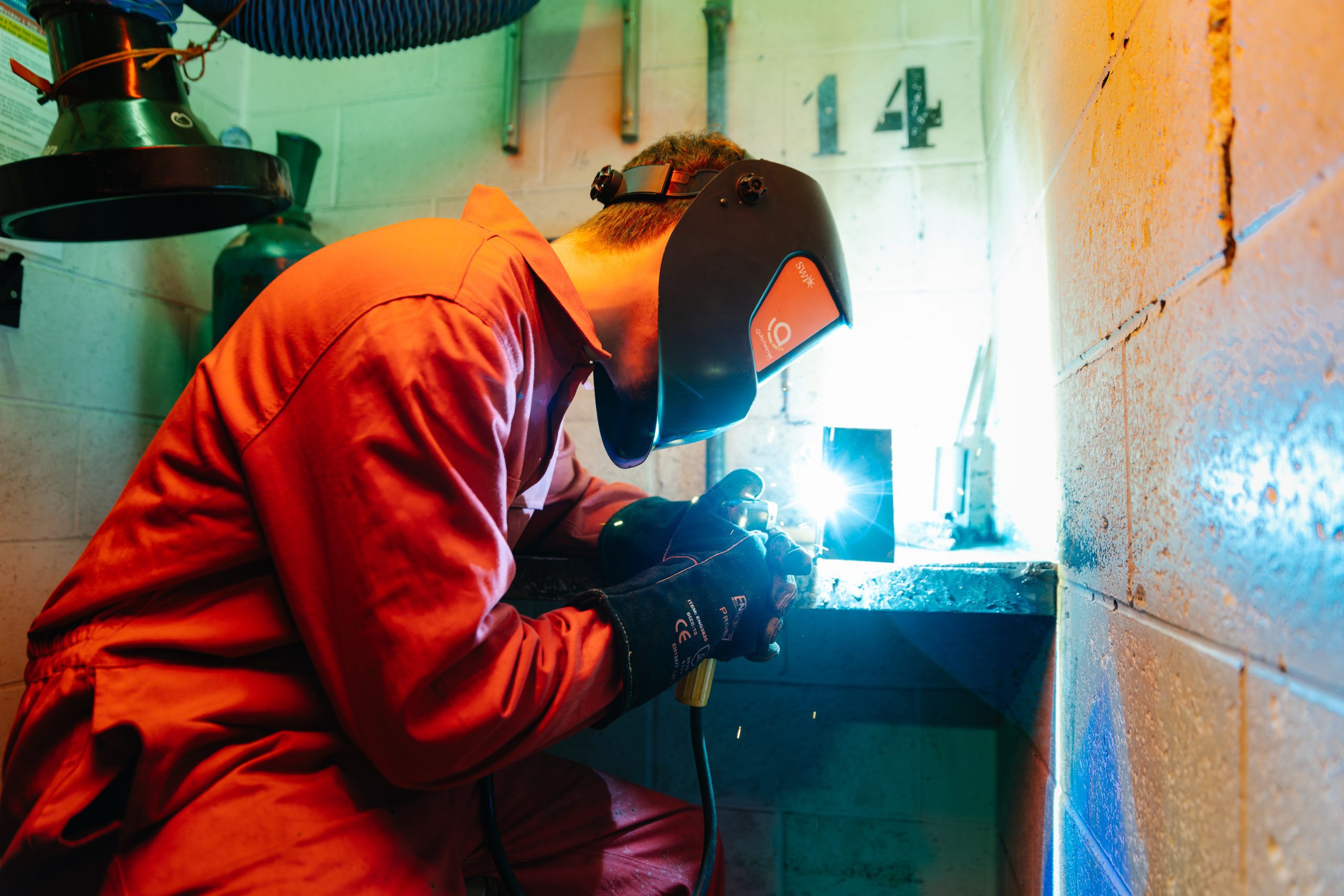
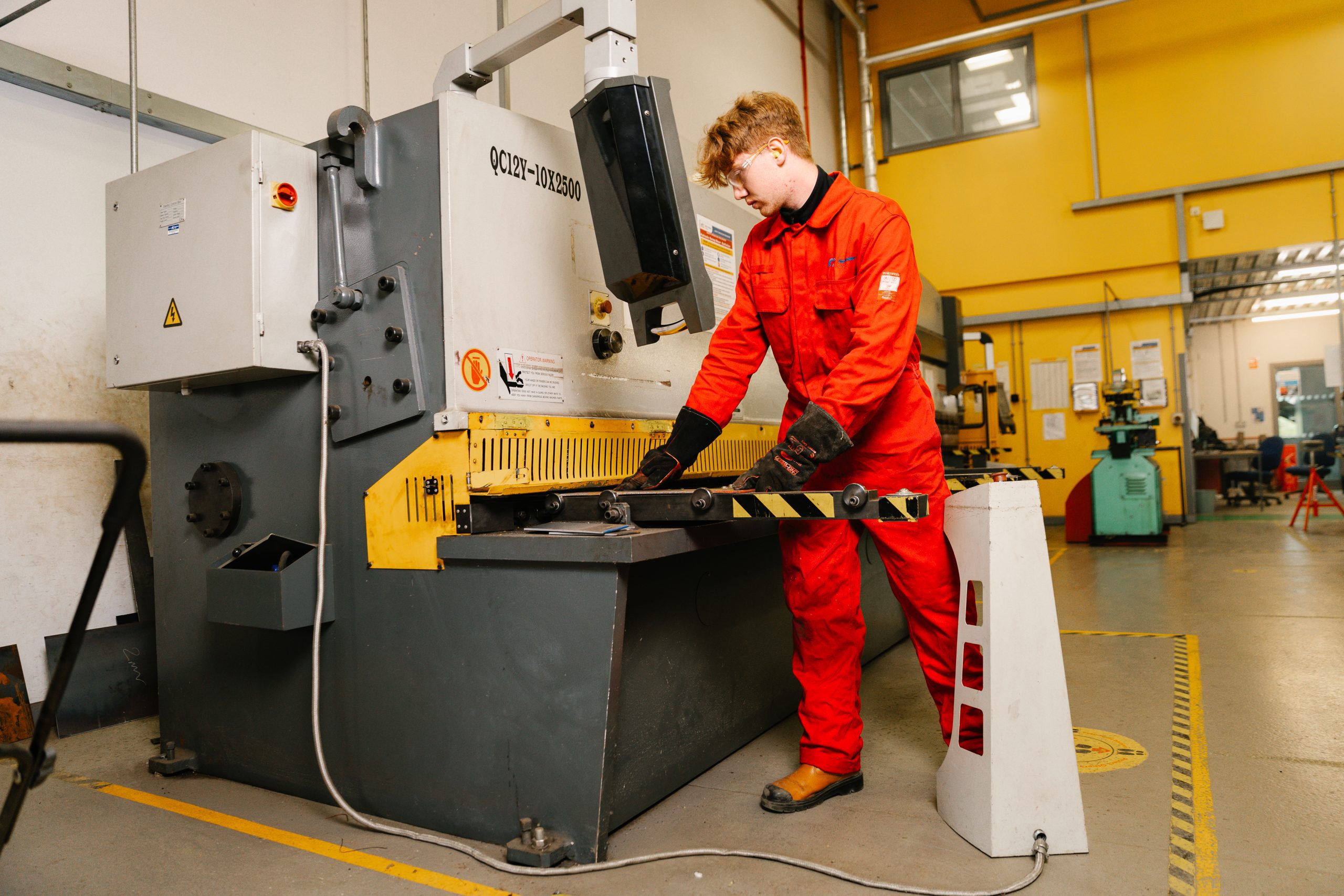
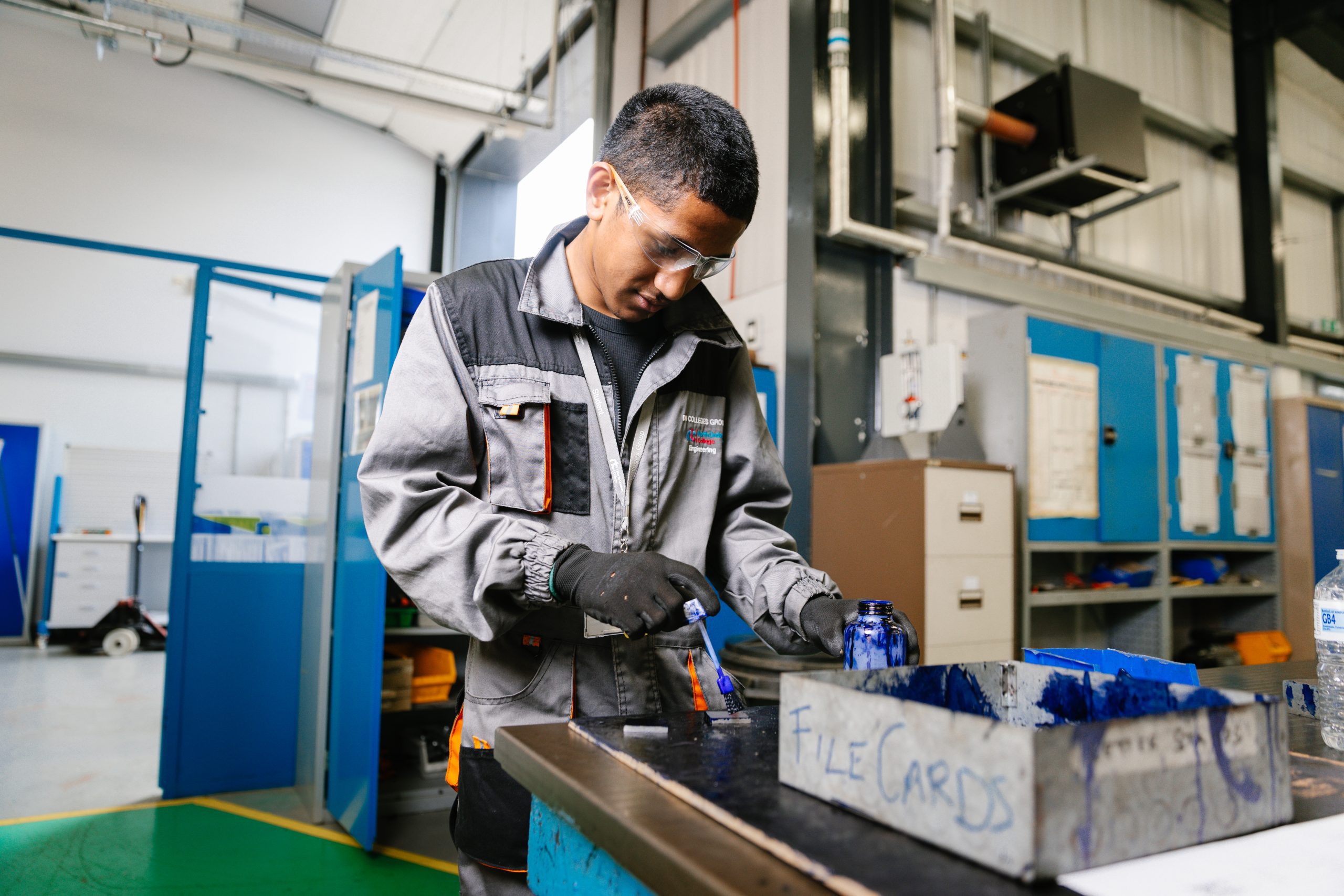
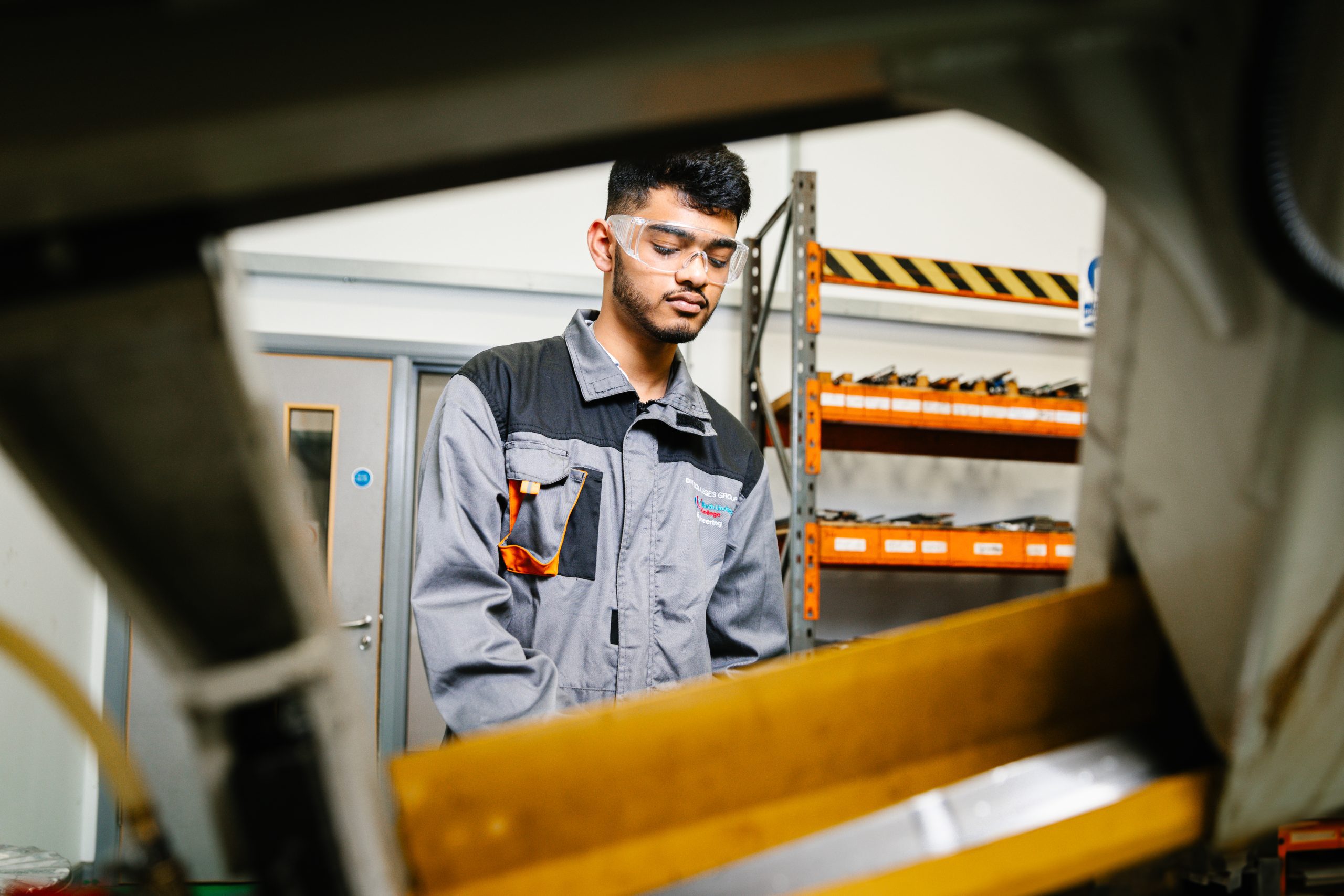
This Level 2 gives you a broad grounding in engineering, both mechanical and electrical, so you build real skills while you work out which discipline is for you. You’ll cover engineering techniques, engineering maths, electrical installation methods, and fitting and assembly techniques, all hands-on in the workshops with real tools and equipment.
It pairs core practical skills with a genuine academic qualification, so you get the craft and the theory. On completion you can progress to the T Level in Engineering Techniques, or towards an apprenticeship or skilled employment in mechanical or electrical engineering.
Entry requirements
Not sure you meet these? Talk to us and we will help you find the right starting point.
At this college
At North Lindsey College
Careers it can lead to
With further study or experience
Typical pay is the UK median for each job (Lightcast, October 2026).
Electrical bays, machining and fitting workshops and CAD/CNC, with your own workspace, led by tutors who've worked in industry.
Engineering Workshops
Electrical bays, machining and fitting equipment and CAD/CNC, with your own workspace.
Expert Tutors
Every session led by tutors who've worked in mechanical and electrical engineering.
Route to T Level or Apprenticeship
Progress to the T Level in Engineering Techniques, or an apprenticeship.

Student Voice
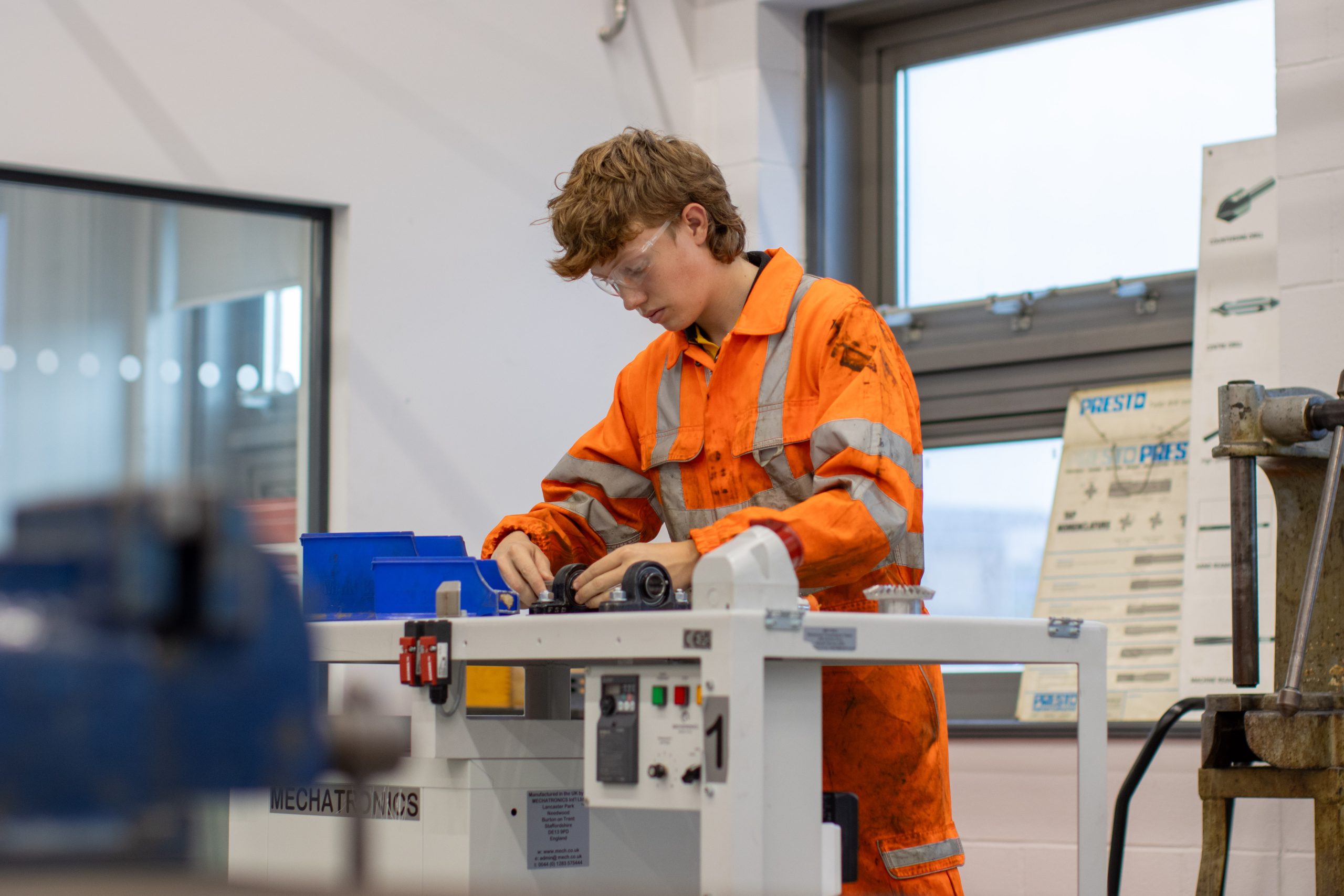
I’ve developed plenty of practical skills on this course that have helped me at work, especially through hands-on assignments. It’s been a good experience so far, and I’m looking forward to progressing to Level 3 and continuing to succeed in my workplace.
These qualifications lead to real jobs. Our courses are built around the skills that employers are actually hiring for, locally and nationally.
See career optionsThese are nationally recognised qualifications with real academic weight. Your child will develop practical skills and knowledge that employers and universities genuinely value.
See the full unit listIf your child needs to resit GCSE English or Maths, it's built into the timetable, not bolted on as an extra. They'll get structured support alongside their main course.
About student supportApply now, come and see us first, or ask us anything.
Applications for September 2027 are open. Apply online in 10 minutes.
FE Open Event – 12th January 202712th January 4:30pm to 7:00pm
Ask us about the course, entry requirements or funding.
Call 0800 358 7575
Apply online and you’ll get a confirmation email.
We’ll invite you to an interview to talk through the course and your plans, and make sure it’s right for you.
We’ll email you a conditional or unconditional offer.
Come to a taster session in the summer, then enrol in August, bringing your results.