


Ready to Finish Your Level 3?
Applications for September 2027 are open. Apply online in 10 minutes.
The Extended Diploma is the second year of a two-year programme. You progress to this through completing the Foundation Diploma. The course gives you further specialist skills and knowledge in animal management: wildlife conservation, zoological animal health and husbandry (the day-to-day care of animals), principles of animal nursing, advanced animal nutrition, and an investigative research project of your own. Once you've gained the Diploma you can progress to Higher Education or into employment in a wide variety of roles.
Got a question? Ask us
How you’ll learn
Year two is where Level 3 stops being broad and starts being specialist. Wildlife conservation, zoological animal health and husbandry, and principles of animal nursing each tie to a defined career destination in the sector. Advanced animal nutrition gives you a depth that translates directly into specialist industry and HE work. The Hub Animal Centre, home to over 100 species across temperature-controlled vivariums, gives you the hands-on environment to put it all into practice.
You’ll also run an investigative research project of your own, with tutor support. Field visits to Valley Wildlife continue, working with larger animals including alpacas, donkeys, pigs, goats and sheep. The practicals in animal science unit ties the science back to the everyday work at the Animal Centre. Once you’ve gained the Diploma you can progress to Higher Education (locally at UCDon and UCNL, or further afield for vet nursing, zoology and conservation) or into a wide variety of roles in animal care, conservation and veterinary support.
Entry requirements
If you came up via a Level 2 route into the Foundation Diploma and still need to top up your Maths or English, you can keep working on those alongside the course.
Not sure you meet these? Talk to us and we will help you find the right starting point.
At University Campus Doncaster
At University Campus North Lincolnshire
Careers it can lead to
Typical pay is the UK median for each job (Lightcast, October 2026).
Practical work and independent research run alongside the specialist science throughout year 2.
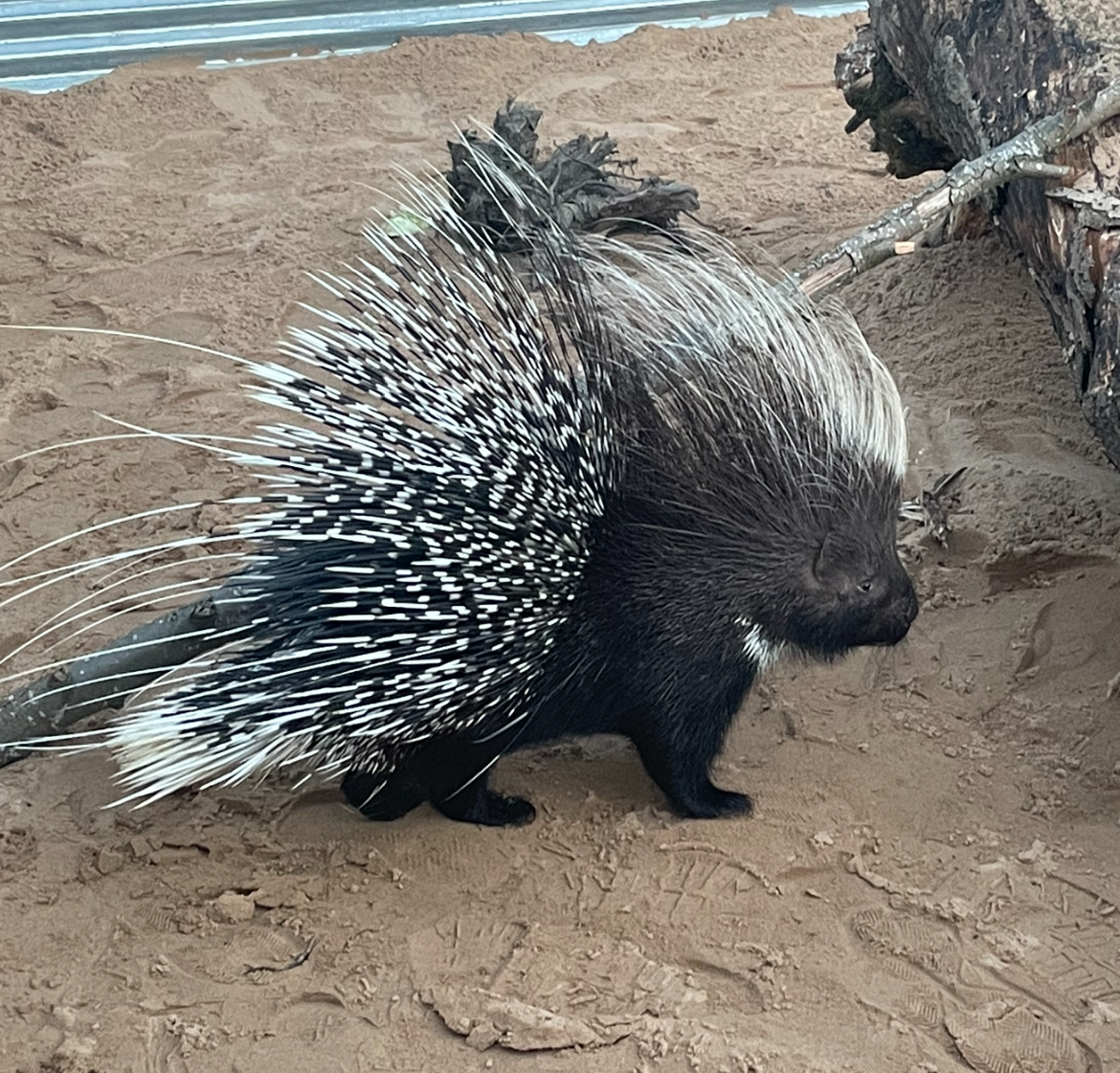
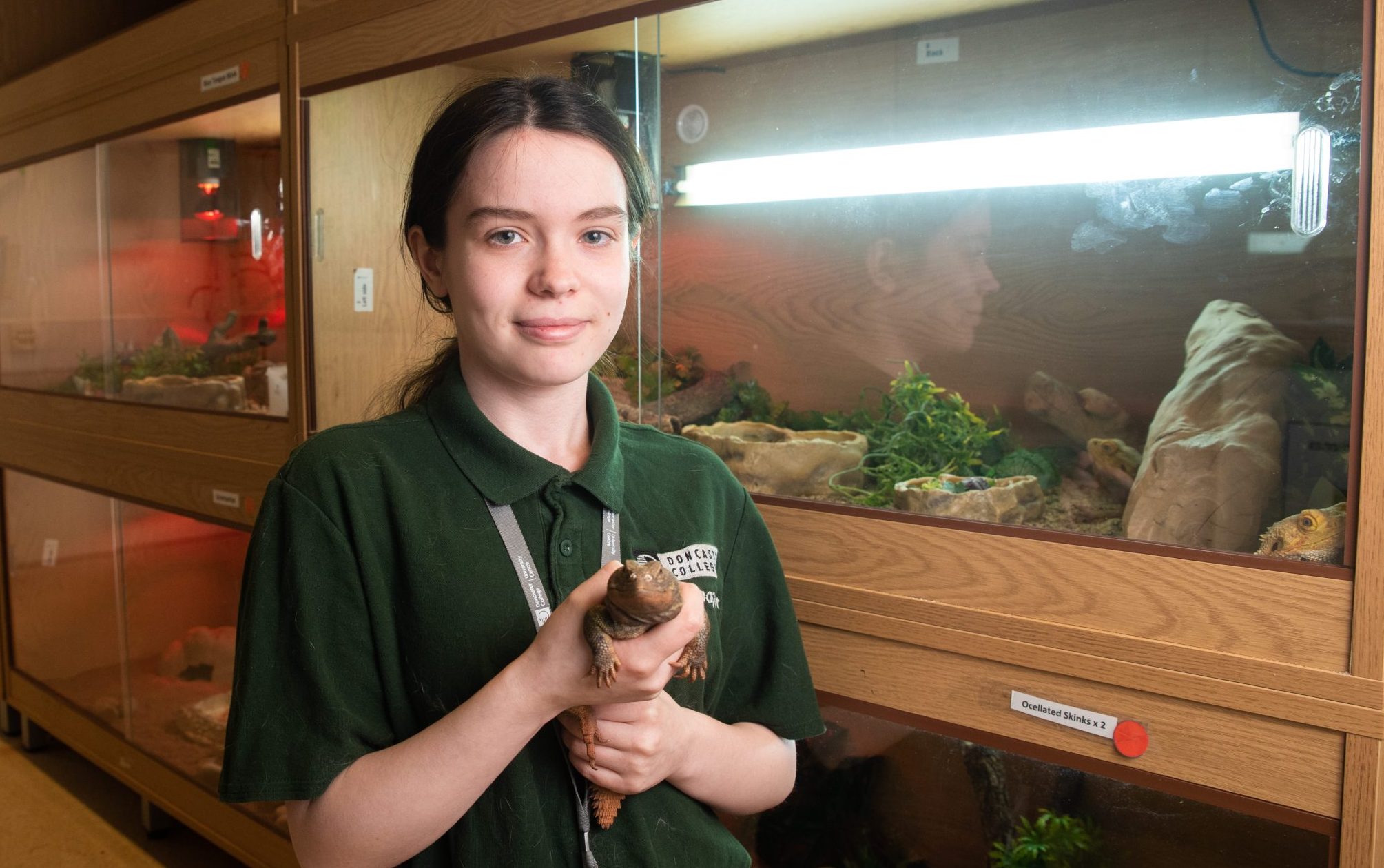
The Hub Animal Centre (on-campus)
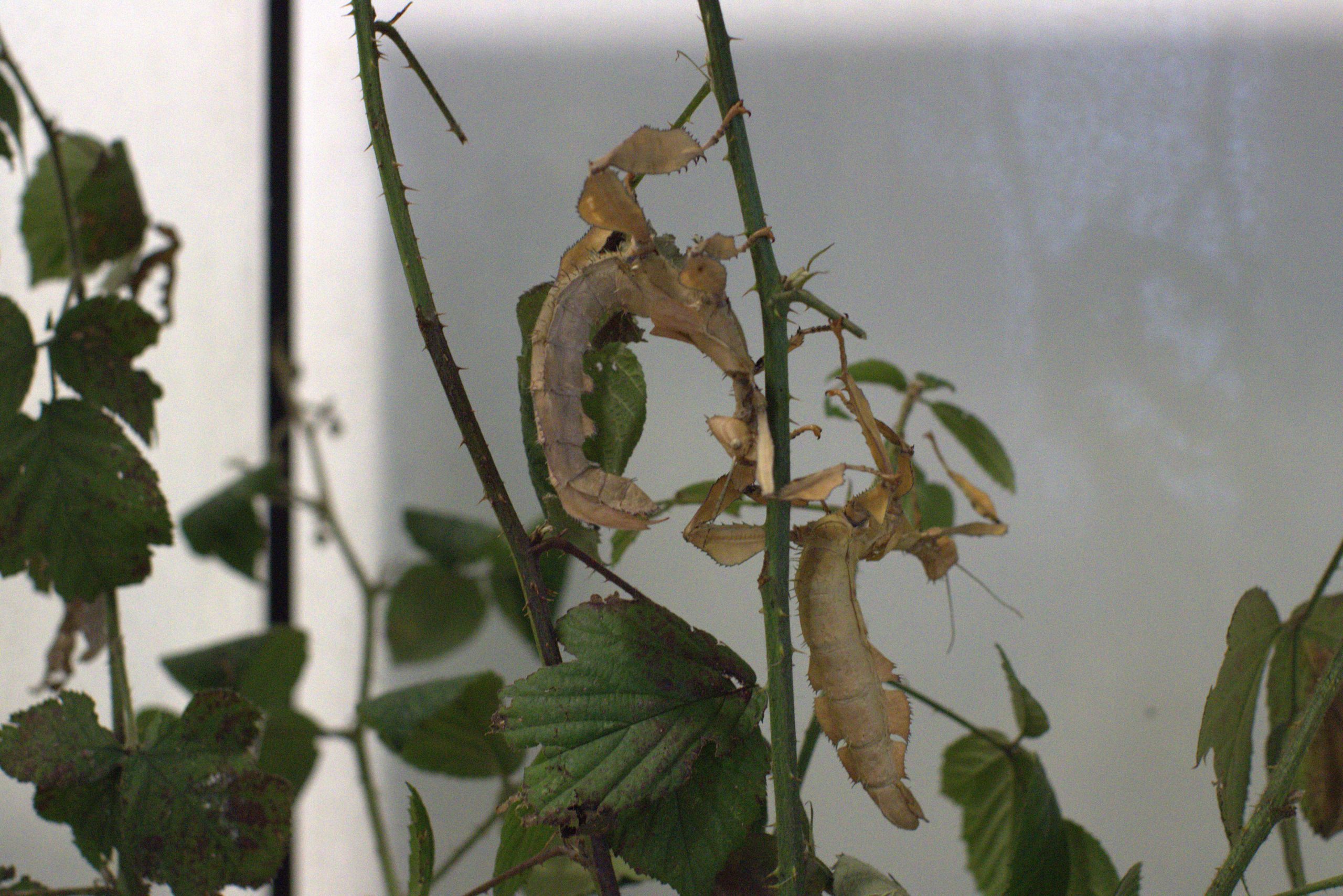
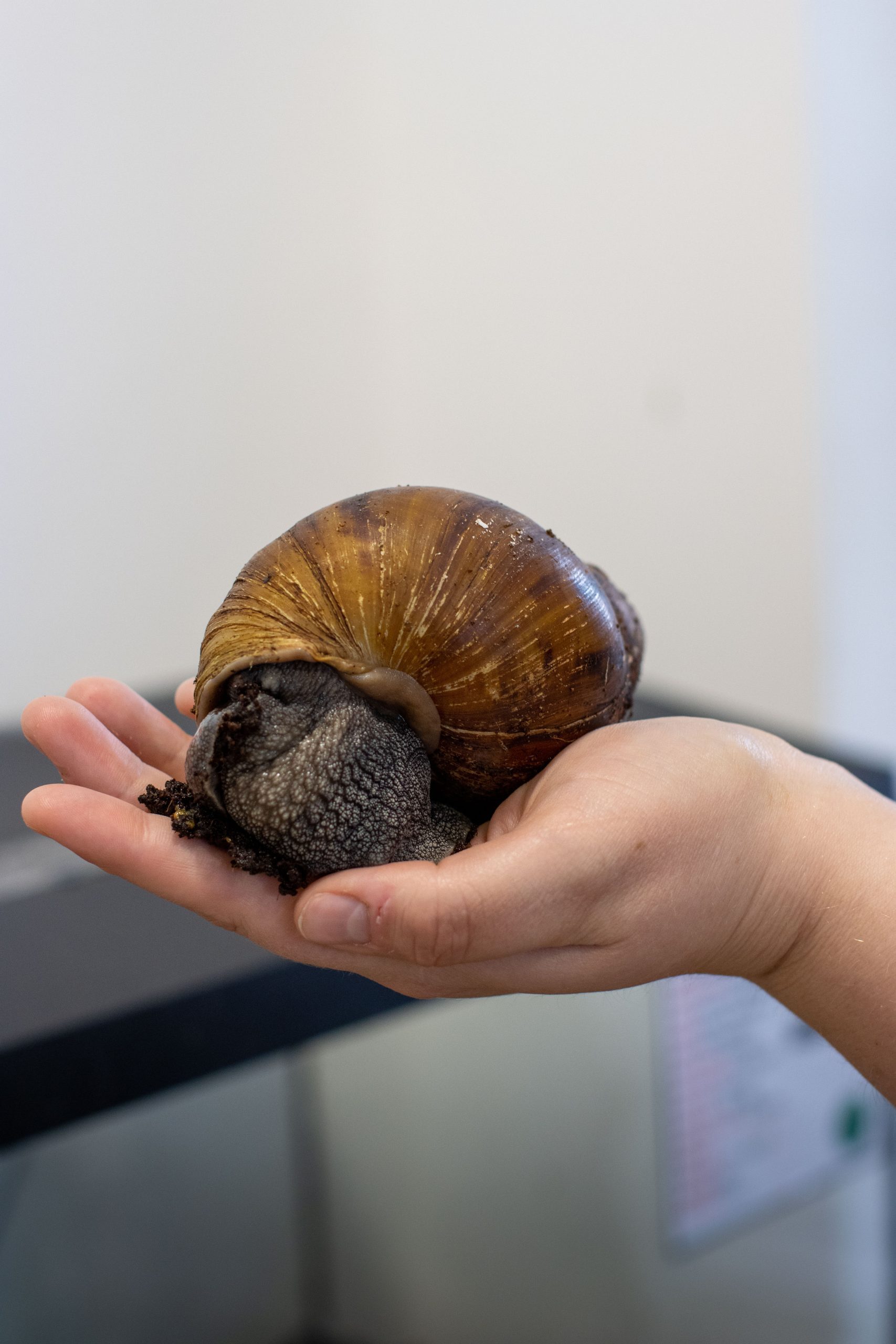
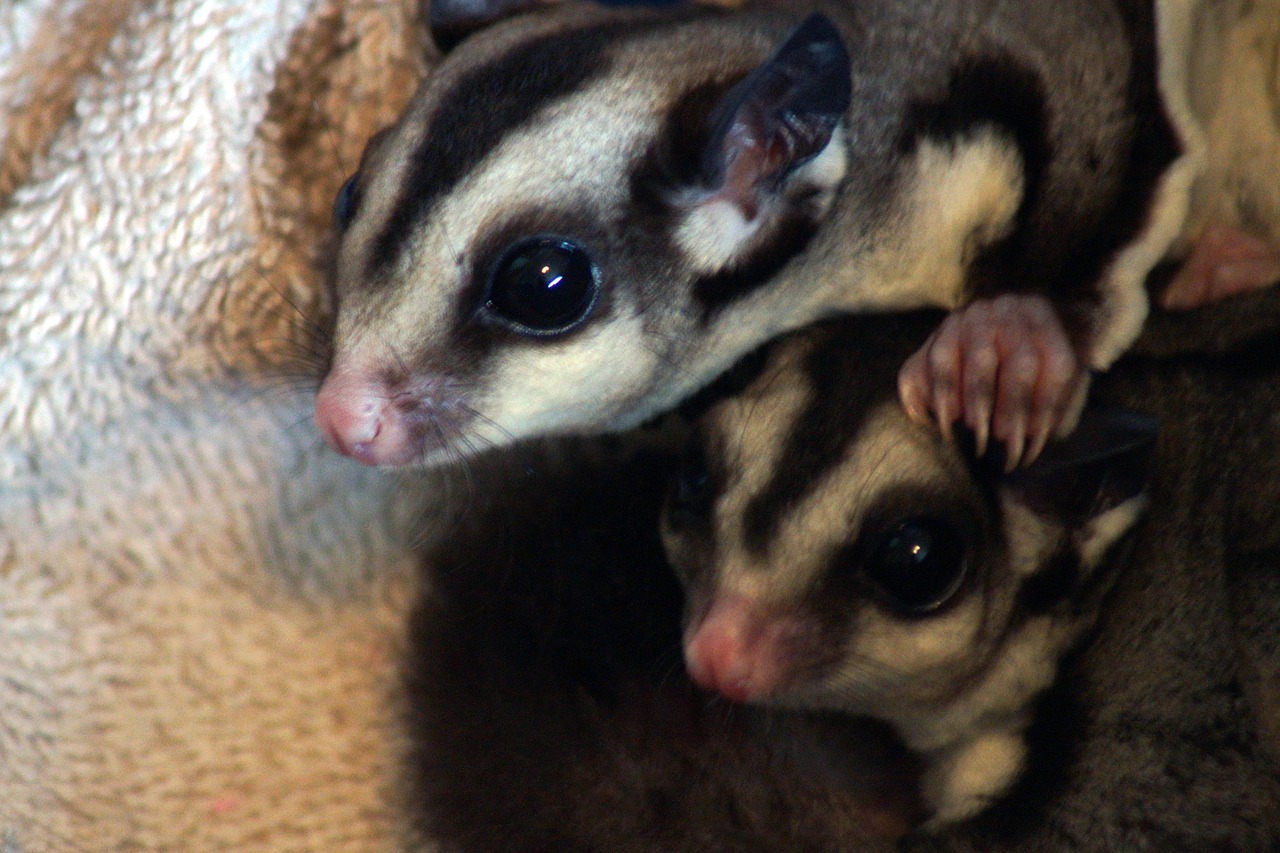
Over 100 species across temperature-controlled vivariums, including snakes, tarantulas and guinea pigs. Equipped with the same diagnostic tools used in top veterinary practices.
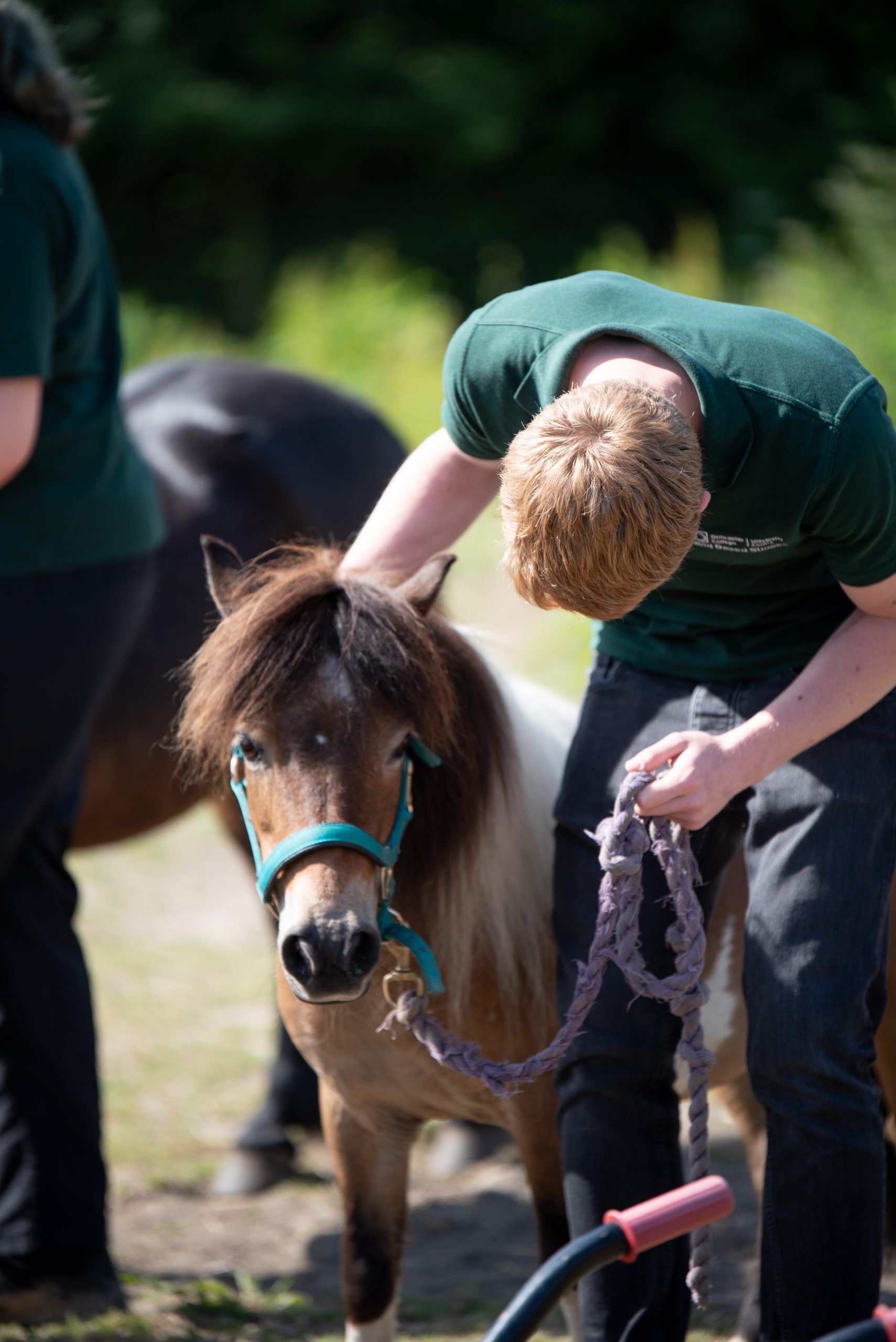
Field visits to Valley Wildlife
Regular visits to work with a wide variety of larger animals including alpacas, donkeys, pigs, goats and sheep.
Your investigative research project
Your own piece of independent work, with tutor support and access to the Animal Centre and partner sites.
Student Voice
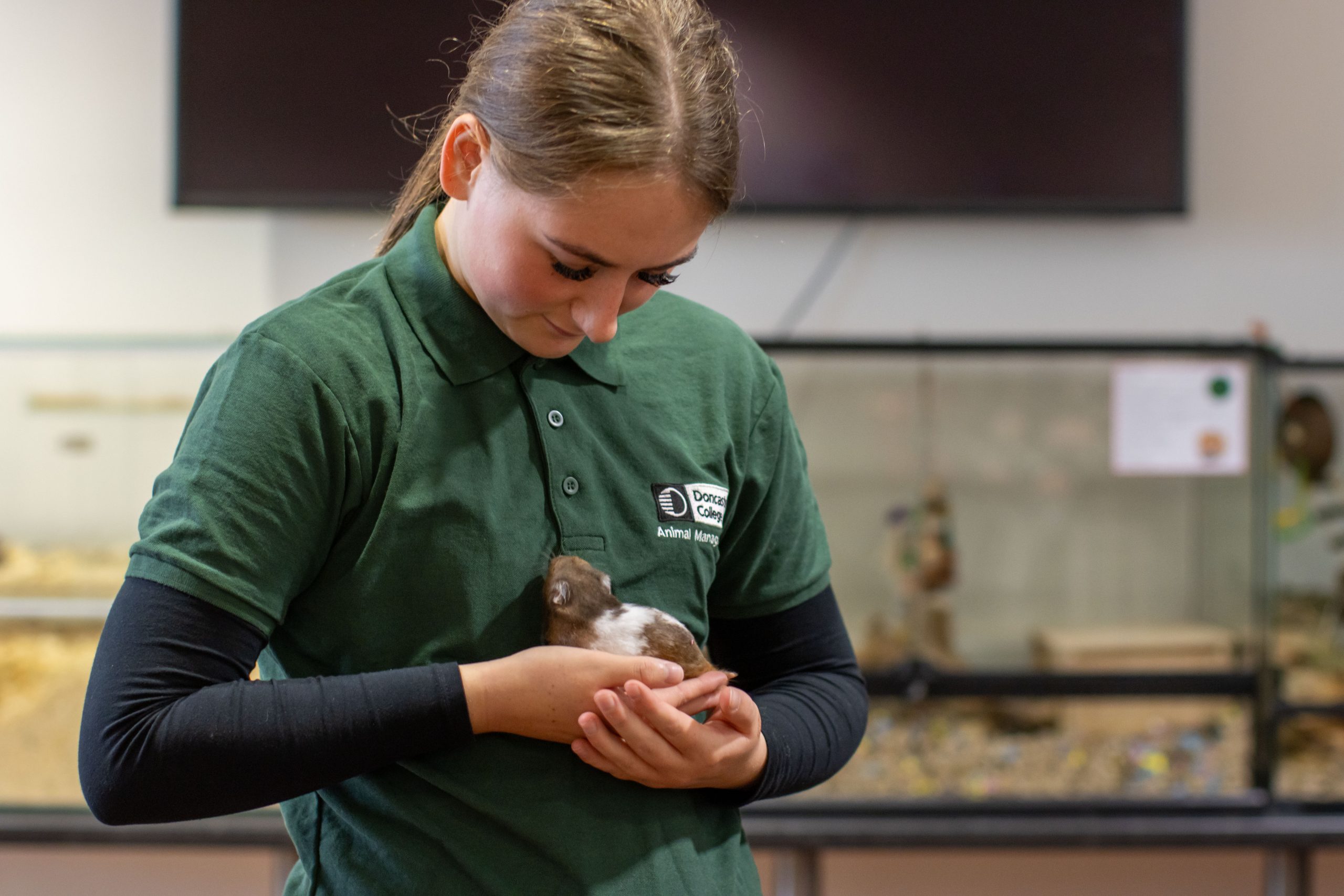
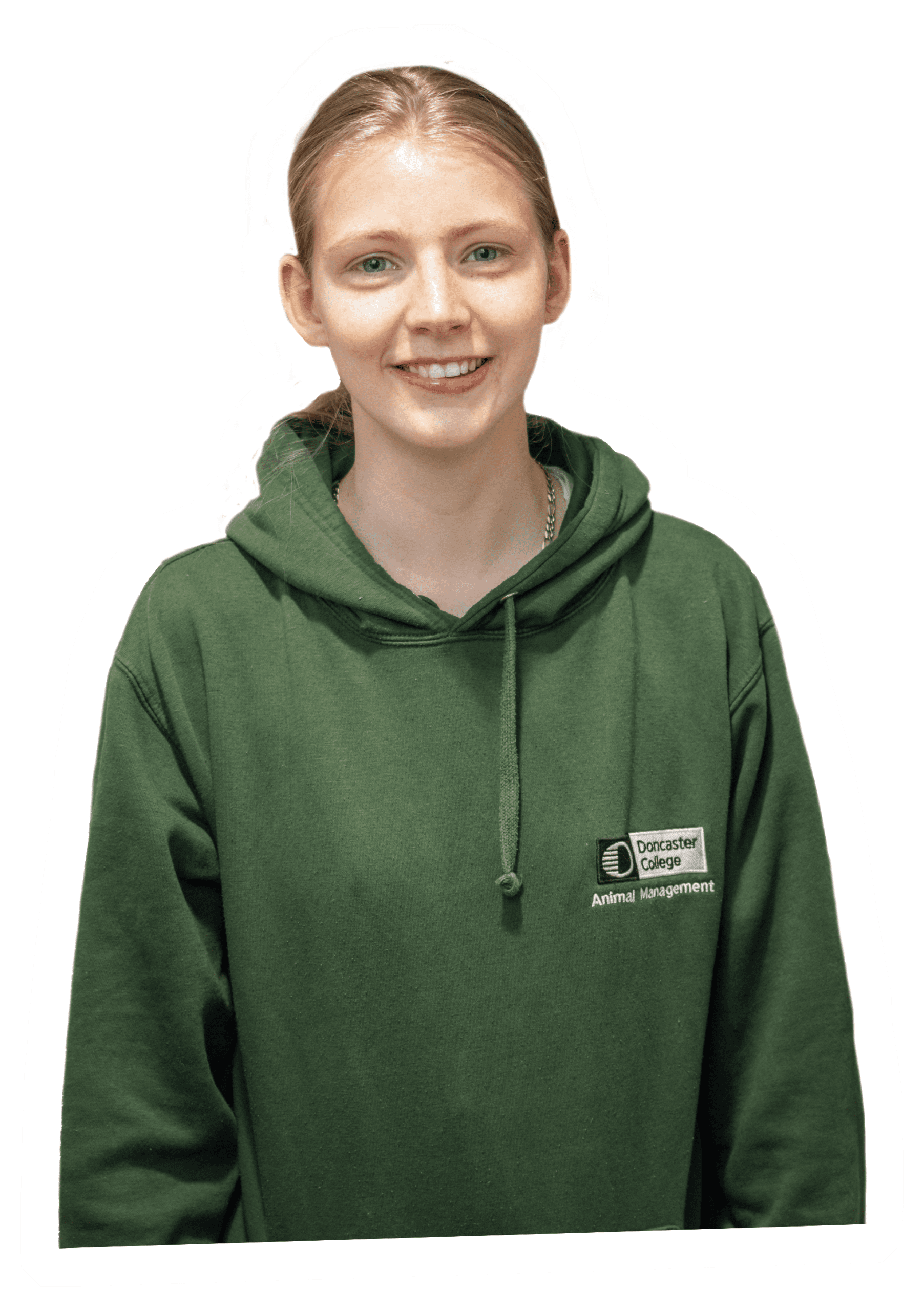
Learning health and safety, cleaning and handling animals, and working at the farm has helped me prepare for future experiences within animal management.
These are nationally recognised qualifications with real academic weight. Your child will develop practical skills and knowledge that employers and universities genuinely value.
See the full unit listThese qualifications lead to real jobs. Our courses are built around the skills that employers are actually hiring for, locally and nationally.
See career optionsBursaries are available, and free meals are provided for those who qualify. If cost is a concern, there's help, and it's straightforward to apply.
Financial support infoApply now, come and see us first, or ask us anything.
Applications for September 2027 are open. Apply online in 10 minutes.
FE Open Event – 12th January 202712th January 4:30pm to 7:00pm
Ask us about the course, entry requirements or funding.
Call 0800 358 7575
Apply online and you’ll get a confirmation email.
We’ll invite you to an interview to talk through the course and your plans, and make sure it’s right for you.
We’ll email you a conditional or unconditional offer.
Come to a taster session in the summer, then enrol in August, bringing your results.